Start Where You Are – Gratitude

Gratitude helps us approach life from a place of abundance and strength, rather than a place of lack. The word gratitude is derived from the Latin word gratia which means grace, graciousness, or gratefulness (depending on the context).
Setting Meaningful Goals
In coaching, the focus is often on achieving more, which may seem at odds with the role of gratitude. However, a recent retreat day on gratitude with Mindfulness Association teacher Alan got me thinking about how gratitude relates to the benefits of mindfulness and self-compassion. Could gratitude help us to set more aligned goals, whilst building resilience and keeping us motivated to weather our storms?
When people come to coaching, it can be easy to fall into the trap of thinking that achieving certain goals, growing the business, finding a partner, getting a promotion or buying a new house will make us ultimately happy.
Sure, we can feel better and satisfied and gratified when get what we want. It’s part of our evolutionary biology for survival and reinforced by our Western cultural conditioning. But have you noticed once you get what you want that the shine quickly wears off? The new car, doesn’t hit the spot or the irritating habits, and work frustration quickly resurfaces?
When we are feeling super focused on achieving an aim or goal that is all we are thinking of. However, we may miss a true goal and need which is less obvious, more subtle and lurking in the background and fuelling us from our unconscious mind.
Widening our perspective and knowing what’s truly important to us (our values) can help us discover our unconscious goals and needs. Gratitude can assist us to set aligned goals, whilst building resilience.
Cultivating Gratitude

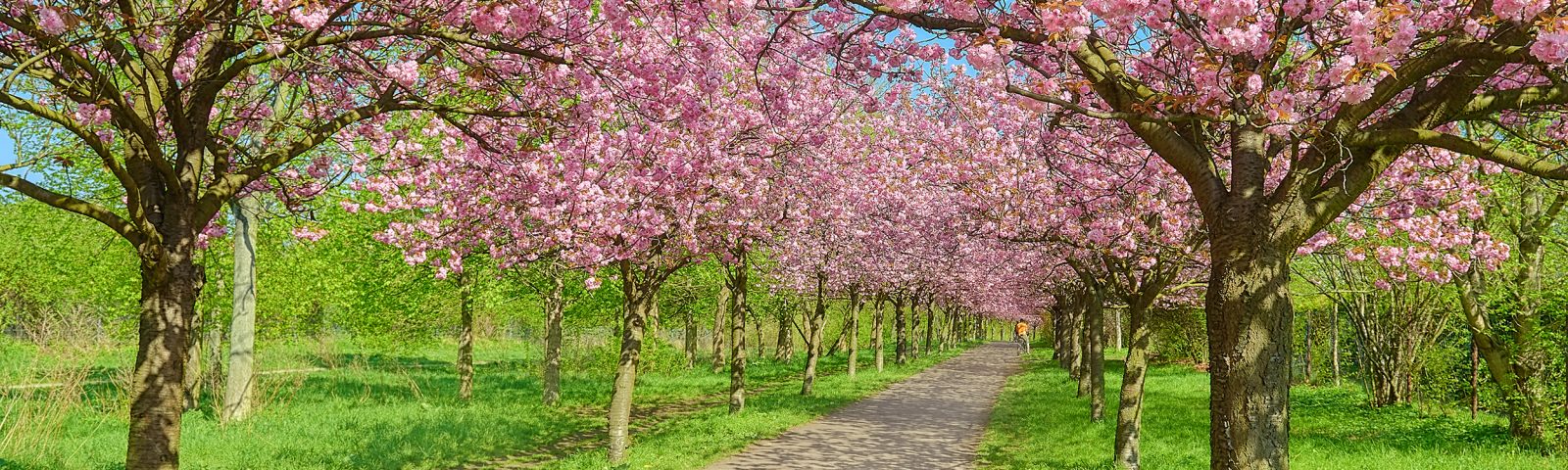
Many spiritual and psychological traditions emphasise gratitude, and it’s important to remember that true gratitude is not just a surface-level attitude. It’s more about being fully present and open to all aspects of life, even the difficult and painful ones. It involves finding wisdom and blessings in every situation and stopping to admire the cherry blossom or time to smell your coffee!
By cultivating gratitude mindfully, we can build inner resources and a new perspective. We can be more curious, less controlling about specific outcomes, and more accepting and open to the unfurling on the journey to our goals. Often this can bring pleasant surprises about our true intentions and motivations. Gratitude means recognising the good things we already have, qualities and resources and building on that foundation. Appreciation can be a powerful source which taps directly into our inner strength, wisdom and motivation.
This doesn’t mean we should stop striving for self-improvement, after all, that is how we have evolved as a human race. But it may mean we become more aware of the transactional mindset that often drives us. We can fall into the trap of thinking that we’ll be happy, popular or confident once we achieve a certain goal. When in reality, that goal might not bring us the lasting satisfaction or the true human longings we crave such as to be safe and well, connected with others and experience a sense of self-worth.
Building Resources for Resilience
Our brains are naturally wired to achieve and acquire, in the part known as our “driver system”, designed to meet our core needs to feel satisfied. However, clever advertisers and promoters take advantage of this biological tendency, tapping and disguising our wants as needs and getting us hooked to buy more! Or use language to activate our “fear and threat” system to convince us we need things that we may not need like the latest mobile phone. You probably already know achieving more feels good short term, but does not necessarily always lead to lasting happiness. Sometimes we can end up feeling more confused and dissatisfied!
Research and academics documented the power of gratitude which cultivates positive emotions suggesting it can impact our health and wellness by lowering blood pressure, better sleep and improving the immune system. Gratitude can help our relationships, it has been associated with social bonding, appreciating others and appreciating ourselves, which taps into our brain’s motivation for safety and connection. Healthy support and connections can help us achieve our intentions and goals. Allowing others to appreciate us means we can create a virtuous cycle (rather than vicious) to positively impact our health and well-being and those we care about.
How do we translate this into Practice?
One day at a time… Take a moment to read the wise words of Lemon Sissay’s poem (let light pour in). Breathe in and let it drop in a little deeper and notice any sensations in your body or insights…


“How do you do it?” said Night
“How do you wake up and shine?”
“I keep it simple,” said Light
“One day at a time”
Start to pay attention to the “glimmers” of good (the light) in the here and now, rather than the “triggers’ (dark or things that upset us). Focus on the feelings of the glimmer of good in the body, notice the emotion and breathe it in, name it and savour it e.g. joy, contentment, pride, happiness, tingling.
Experiencing Gratitude
There are different ways to experience gratitude. Some people like to journal and write about the people, places, things and experiences that enrich their lives. Others like to talk about goodness to bring it to life. A simple practice can be to walk with a friend or partner and take turns saying what you are grateful for, “I am grateful for… “. Remember to listen and be fully present with the other person without interrupting. It might seem strange at first but with practice, it is fun especially when walking as you may notice nature more, and the simple joys of being healthy enough to walk and spend time with someone you care about including our animal friends!
Cultivating gratitude can change our perspective and we can learn to balance our drive with a sense of appreciation for what we already have, people, places, things and experiences. When we do this, we can feel more energised and motivated. We can find joy and contentment in the present moment, rather than always looking ahead to the next best thing. Our goals may start to unfurl naturally. Watch out, for the best things, people may be already with us!
To find out more about Lou’s approach to coaching in leadership and life, get in touch at lou@elementas.co.uk WhatsApp 07715 814833
Lou is the founder of elementas and has over 15 years of coaching experience. Her coaching style is grounded in formal research and study with internationally recognised institutions ILM and EMCC. She combines traditional coaching techniques with new ideas, research and creativity with mindfulness and compassion teachings. Lou also holds a Master’s in Science and studies in Mindfulness from the University of Aberdeen.