Our Emotional Weather: how noticing it impacts our performance & wellbeing

Emotions help us communicate some of our subtlest feelings, both to ourselves and to the people around us.
If the mind could be compared to the weather, our emotions might be thought of as our personal microclimate. Some days feel light and spacious. Others bring gathering clouds, sudden storms or a lingering emotional mist.
Like the weather, our feelings can change quickly. They can also settle over us for a while. Yet how often do we pause to notice what is moving through our inner landscape?
Every emotion is part of being human
We often describe happiness, hope and excitement as positive emotions. Sadness, anger, fear and shame are usually labelled negative emotions.
But calling an emotion negative can make it sound wrong or unwelcome. It may even leave us feeling that there is something wrong with us for experiencing it.
Perhaps it is more helpful to describe emotions as pleasant, unpleasant or neutral. This acknowledges how an emotion feels without turning it into a judgement.
Fear may alert us to uncertainty or danger. Anger can tell us that something feels unfair, or that a boundary has been crossed. Sadness may help us acknowledge a loss and recognise our need for comfort. Joy helps us notice and savour what matters to us, it can life our spirt.
We do not have to act on every emotion. We can, however, become curious about what emotions (or sensations) might be communicating to us.

(Original Artwork Queen of the Skies – Artist Normal Long
Welcoming our emotional visitors
The Sufi poet Jalaluddin Rumi offers a beautiful image of our changing emotional life in The Guest House: Rumi invites us to imagine our emotions as visitors arriving at our door. Some are welcome. Others may be difficult, disruptive or painful and we may want to push them or we may want to try in vain to think them away (rumination).
We might happily open the door to joy, love and excitement. We may be less willing to welcome loneliness, disappointment or shame. Yet all these experiences belong to our shared humanity and are communication to us on some level.

Welcoming an emotion does not mean liking it, agreeing with every thought that accompanies it or allowing it to determine our behaviour. It simply means recognising that it is here.
We might gently say:
Sadness is here.
I am noticing anxiety.
Something in me feels hurt.
This small act of recognition can help us meet the emotion with a little more space and kindness.
Putting feelings into words
The practice of putting an emotional experience into words is known as affect labelling.
Instead of saying, I feel bad, we might notice that we feel disappointed, lonely, irritated, frightened or overwhelmed.Becoming more precise can help us make sense of what is happening in our thoughts, body and circumstances.
Research suggests that naming an emotion may affect the way it is experienced and communicated. Early neuroscience research found that putting feelings into words was associated with changes in areas of the brain involved in emotional reactivity and emotional regulation. However, naming a feeling is not a guaranteed way to make it disappear. Its effects can vary between people and situations, depending on our attitude and comfort with our emotions. Lieberman and colleagues, 2007.
The purpose is not to control or remove the emotion. It is to meet it more clearly:
This feels unpleasant. What I am noticing is disappointment.
From here, we might ask:
What is this emotion trying to tell me?
What sensations am I noticing in my body?
What do I need at this moment?
Sometimes this pause is no more than one conscious breath. That breath can still create a little space between feeling something and reacting to it.
Listening to the body
Emotions are not only experienced in the mind. They are felt in the body too.
Excitement may bring a rush of energy. Anxiety or Fear might quicken the heart or tighten the stomach. Sadness can feel heavy and tiring. Joy may create a sense of warmth, openness or lightness.
Our senses can also unlock emotional memories. A familiar song, a film soundtrack, a scent or a heartfelt touch can transport us to another time. A landscape or cloud formation may stir something we cannot immediately put into words.
These moments can bring us home to ourselves. They remind us that our emotional lives are rich, embodied and deeply connected to memory, meaning and relationship.
Developing emotional intelligence
Psychologist and science writer Daniel Goleman helped popularise the idea of emotional intelligence in the 1990s.
Emotional intelligence includes becoming aware of our own feelings, recognising emotion in others and using this understanding to guide our communication and choices.
As we become more connected to our emotional needs, we may find it easier to express ourselves authentically. We can begin to say:
I am feeling overwhelmed and need a little time.
I felt hurt by what happened.
I need some support.
This awareness can help us build healthier relationships; with ourself and with others. It may also increase our capacity to recognise and respond to the needs of others. Our shared experience of emotions supports our ability to be empathic to people in our lives at home and at work. Empathic is core to compassion for self and others.
The Dalai Lama, together with psychologist Paul Ekman and Eve Ekman, developed the Atlas of Emotions (check it out it is great) to help people explore emotional states and develop greater awareness. It offers a fascinating way to navigate our personal emotional weather.
Our behaviour impacts others
Be it at work or a at home how we respond to our emotions; energising them or suppressing or overthinking about them impacts others in our life. A well-known saying, widely attributed to Maya Angelou, reminds us:

(Painting Hartz Mountains David Burrow)
Emotions shape the atmosphere between us. We may not always have the right words or know how to solve another person’s difficulty. Often, what matters most is the quality of our presence.
Sometimes we rush to reassure because another person’s distress feels uncomfortable for us. We might say, “Cheer up, Look on the bright side or At least it isn’t worse.”
These words are often well intentioned, but they can leave someone feeling unheard. A more compassionate response might be:
That sounds really difficult. I am here with you.
We do not always need to fix an emotion. Sometimes we simply need to make more space and more room for it.
Caring for our emotional wellbeing
Emotional wellness does not mean feeling happy all the time. It means developing a kinder and more conscious relationship with the full range of our feelings. We can support ourselves in simple ways:
Pause and take three steady breaths.
Notice what is happening in the body.
Put the feeling into words.
Soften the tone of the inner voice.
Rest when emotional energy feels depleted.
Spend time in nature or quiet.
Speak to someone we trust.
Make room for laughter, creativity, joy and play.
Ask what support or care is needed.
Joy and gratitude are important emotional resources. Cultivating them does not require us to deny pain. We can hold appreciation and difficulty together. Human beings are capable of feeling grief and love, uncertainty and hope, weariness and wonder, sometimes within the very same day.
Coming home to ourselves
Our emotional weather will continue to change. We cannot prevent every storm or arrange for uninterrupted sunshine.
What we can develop is a greater capacity to notice what is here, listen to what it may be telling us and respond with wisdom and care.
Perhaps the question is not:
How can I stop feeling this?
Perhaps it is:
How can I welcome this part of my experience and support myself kindly while it is here?
For more reflections and practical ways to support your emotional wellbeing, you can explore my e-well book on emotions or join a complementary women’s experience where we explore mindfulness, compassion and emotions. Enquire about 1:1 Coaching for wellness and career.
Lou Booth, elementas Coaching and Consulting
Why Being Kinder to Yourself Can Help Calm an Overwhelmed Mind

How mindful self compassion can quieten the inner critic and help us reconnect with our Inner Compass.
Have you ever noticed how easily you can offer kindness and encouragement to a friend, yet speak to yourself in ways you would never dream of speaking to someone you care about?
For many of us, the inner voice can be relentless. Keep going. Work harder. Hold everything together. Don’t let anyone down.
I know this pattern well. Earlier in my career, working across manufacturing, museums and economic development, my response to pressure was often to work harder and take more on myself. From the outside this can look like capability and resilience. Inside, however, we may be carrying stress, struggling with boundaries and feeling that whatever we do is never quite enough.
Does that sound familiar?
Over time, through mindfulness, coaching and my MSc studies, I began to understand that there is another way of relating to ourselves.
What is mindful self compassion?
Self compassion isn’t about lowering our standards or simply making ourselves feel better.
Research by Dr Kristin Neff and Dr Christopher Germer suggests that self compassion supports emotional resilience, psychological wellbeing and healthier ways of coping with life’s challenges. Far from reducing motivation, it can help us learn from setbacks and keep moving towards meaningful goals without becoming trapped in harsh self criticism.
Dr Kristin Neff’s model describes three interconnected elements: mindfulness, self kindness and common humanity. I like to think of each as helping us find a wiser middle way.
Mindfulness: seeing more clearly
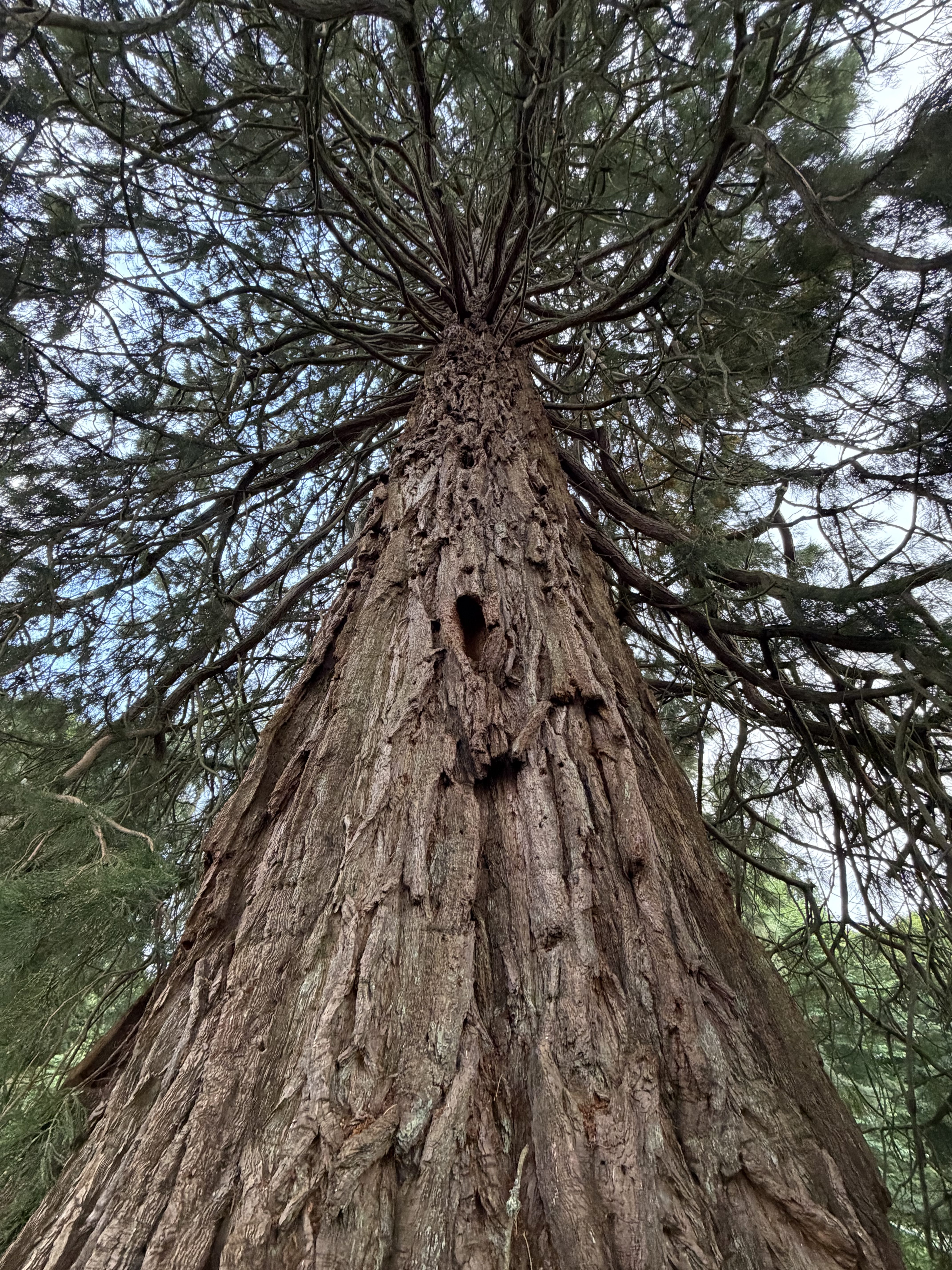
Imagine receiving negative feedback at work. We might become consumed by it, replaying the conversation repeatedly. Or we might dismiss it, become defensive and refuse to engage.
Mindfulness offers a middle way. We pause, notice our reaction and become curious:
Is there something here I can learn from? What belongs to me, and what perhaps doesn’t?
Notice the tone of the voice inside. Is it harsh, judgemental and super critical? Or can we bring Wise Discernment, a more balanced and curious voice that helps us decide what is genuinely useful?
We can learn from an experience without turning it into an attack on ourselves.
Self kindness: what do I really need?
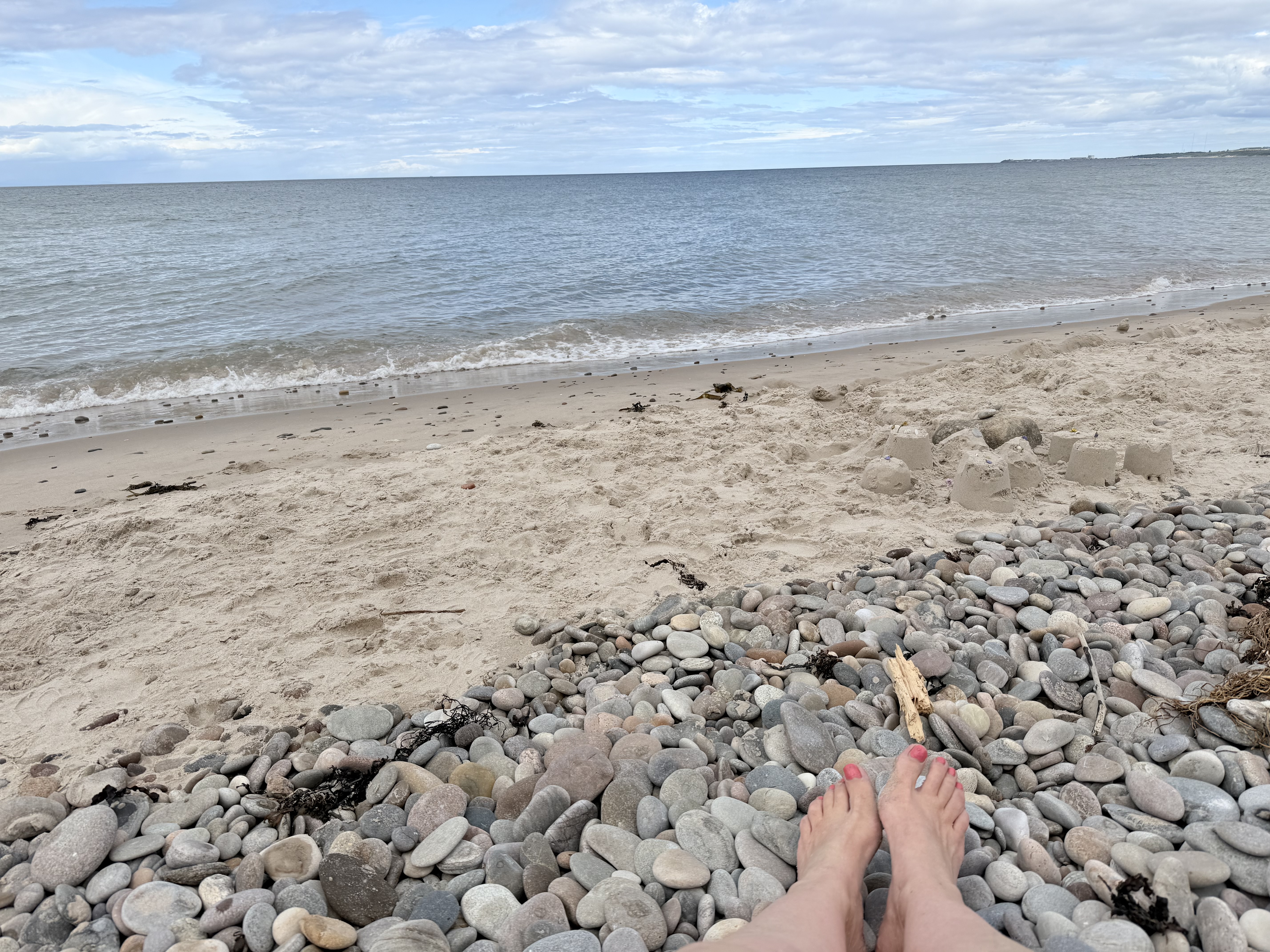
Self kindness doesn’t mean giving ourselves whatever feels comforting in the moment.
After a difficult day, I might think, “I’ll be kind to myself tonight,” and eat far more ice cream than my body wants or drink too much alcohol. It might soothe me temporarily, but if I wake up feeling unwell, was that really kindness?
Sometimes kindness is comforting and tender. At other times it means caring for our future self too.
What do I genuinely need right now?
Perhaps rest, nourishment, a walk in a favourite place, connection with a trusted friend or colleague, asking for help, setting a boundary or simply permission to stop.
Common humanity: I’m not alone

When we’re struggling it is easy to think, “Everyone else seems to be coping. Why can’t I?”
Common humanity reminds us that difficulty, mistakes and self doubt are part of being human. Other people struggle too, even when we cannot see it.
And compassion for others doesn’t mean absorbing everyone else’s problems. We can stay connected to others without abandoning our own needs and boundaries.
Together, these three elements give us a different way to respond:
Mindfulness helps us pause and see clearly. Self kindness helps us respond with care. Common humanity reminds us we are not alone. Wise Discernment helps us choose what is genuinely needed.
From overwhelm to reconnecting with your Inner Compass

When we continually criticise ourselves or live under sustained pressure, our body’s stress responses can remain activated. It becomes harder to think clearly and easier to react automatically.
Professor Paul Gilbert OBE, whose pioneering work has contributed enormously to our understanding of compassion, said at the Sussex Mindfulness Conference in Brighton in 2026:
“Compassion is the most courageous and wisest of all our emotions.”
Professor Paul Gilbert ( Sussex Mindfulness Conference Brighton, 2026)
I particularly like the word courageous.
Self compassion isn’t always the easy option. It might ask us to rest, set a boundary, ask for help, say no, have a difficult conversation or make a change.
As we learn to pause and meet ourselves with greater awareness and compassion, the inner noise can begin to soften.
We reconnect with what I call our Inner Compass, that steadier place within us where our values, experience, intuition and inner wisdom can be heard more clearly.
Self compassion therefore isn’t simply about feeling better. It can help us live, work and lead differently.
Three simple ways to begin

Notice your inner voice. When something goes wrong, become curious about how you speak to yourself. Is that voice helping you see clearly or simply making you feel smaller?
Ask what you need. Pause and ask, “What do I genuinely need right now?” Sometimes compassion is reassurance. Sometimes it requires courage and action.
Create a mindful pause. Take one slow breath. Feel your feet on the floor. Even a few seconds can create space between what happens and how you respond.
A different relationship with ourselves
Self compassion has helped me respond to setbacks with greater kindness and perspective. It hasn’t happened overnight. Like any meaningful change, it has taken learning, practice and support, and it continues to be a practice.
This is one reason creating reflective spaces has become important in my coaching work. We don’t always need to have the answers or hold everything together. Sometimes we need somewhere safe enough to pause, listen and discern what we genuinely need.
So perhaps the next time your inner critic appears, rather than immediately believing it, ask:
What do I need right now that is genuinely caring, wise and helpful?
Because when we learn to relate to ourselves with kindness rather than criticism, we don’t become weaker.
We become steadier, clearer and better able to meet whatever life brings.
With warmth,
Lou
Research: This article draws on the work of Dr Kristin Neff, Dr Christopher Germer and Professor Paul Gilbert OBE, alongside my MSc studies in Mindfulness at the University of Aberdeen. Further evidence and resources are available on the elementas Research page.
An earlier version of this article was first published by Life Coach Directory in July 2026.
To have a self-compassion experience book a 1:1 coaching or try out my women’s give backs – https://elementascoaching.com/experiences/
The Healing Power of Compassion: Nurturing Connection with Others and Ourselves

What if the most powerful thing we could do for our health, resilience, and happiness was also the simplest?
Science, and our own experience, suggests that love and compassion are not just emotional niceties. They’re whole-body experiences that soothe our nervous systems, regulate our emotions, and deepen our sense of belonging.

( Picture, Erasmus Plus Training France)
When we connect meaningfully with other, even through a small smile or warm touch our bodies respond. Heart rhythms synchronize. Brain activity calms. Our biochemistry shifts toward balance and repair. Research by neuropsychologist Richard Davidson found that women who received gentle hand-holding during moments of stress experienced significantly reduced fear and emotional distress. And psychologist Barbara Fredrickson has shown that “micro-moments” of connection, brief, shared experiences of goodwill can enhance not only our mood but also our long-term physical health.
But connection isn’t only outward. Many of us live with an inner critic whose voice is harsher than we’d ever use with someone we love. The way we speak to ourselves matters. Professor Paul Gilbert reminds us that even softening our inner voice and using our own name can have a calming effect on the body. When we respond to our own pain with kindness instead of criticism, we begin to shift patterns of stress and isolation into patterns of healing and care.

At the heart of this shift is the practice of Kristen Neff’ model of self-compassion, which integrates three core elements:
- Self-kindness: Meeting ourselves with warmth and understanding
- Mindfulness: Being present with what is, without exaggeration or avoidance
- Common humanity: Remembering that we are not alone in our struggles.
Dacher Keltner’s research has shown that compassion has universal expressions; what he calls the “three Cs”: a warm gaze, soothing touch, and gentle voice. These aren’t just nice gestures; they are biological cues of safety that calm the nervous system. When we offer them to others, we build connection. When we offer them to ourselves, we grow resilience.
So how do we choose love and compassion in a busy world, in challenging relationships, in moments of pain or shame? We start small. One breath. One warm look. One kind word, especially directed inward. These simple acts, repeated over time, change our biology, our relationships, and our capacity to live with courage and care. Remembering…
“Energy follows focus what we pay attention to to gets stronger”
Love, it turns out, is a practice. And it’s one that begins with us.
From Empathy to Compassion. Boundaries in Conscious Leadership

When Empathy Isn’t Enough. Compassionate Leadership, Boundaries, and Wise Choice
Empathy is often the reason people step into leadership. The desire to care, to understand, and to do right by others can be a powerful motivator. And yet, for many thoughtful leaders, empathy alone can sometimes leave us feeling stretched, uncertain, or stuck. This reflection explores how compassion, values, and boundaries can bring steadiness to care, and why learning to lead with compassion that lasts matters now more than ever.
Empathy is often what brings people into leadership in the first place.
The capacity to sense others, to care deeply, to want people to feel seen and valued. This is not a weakness. It is a profound human strength. In teams, in families, and in organisations, empathy is often the spark that creates trust and connection.
And yet, many of the leaders I work with quietly ask the same question.
Why does caring sometimes leave me exhausted, conflicted, or unsure?
When empathy becomes heavy
Empathy opens us. It allows us to feel with another person.
But when we stay too long inside empathy, something subtle can happen.
We may start carrying what is not ours.
We may soften our truth to keep things comfortable.
We may hesitate, even when clarity is needed.
Often this is not about confidence or competence.
It is about care running ahead of choice.
There is usually a well intentioned part of us that wants harmony. A part that wants to be kind, fair, and liked. This part developed for good reasons. And when it takes the lead, boundaries can quietly lose their shape.
Not because we do not care enough.
But because we care deeply.
Compassion brings shape to care
Compassion does not replace empathy. It builds on it.
Compassion adds steadiness, perspective, and direction.
It allows us to stay connected without losing ourselves.

This is where boundaries matter.
Healthy boundaries are not harsh walls.
They create safety, clarity, and respect.
They help relationships and teams know where they stand.
In compassionate leadership, boundaries tend to have a few shared qualities. They are clear enough to be understood. They are expressed with kindness rather than blame. And they are upheld in ways that build trust over time.
You do not need to know all of this instinctively.
Most people do not.
Boundaries are learned.
And they are practised.
Values and motivation beneath the boundary
What makes boundaries compassionate is not just what we say.
It is what we are standing for.
Values quietly shape our motivation.
They help us sense what matters most in a moment.
They guide us when empathy alone leaves us unsure.
When values are leading, boundaries stop feeling like withdrawal and start feeling like care with integrity.
This is often the shift leaders are longing for.
Not to care less, but to care more wisely.
An invitation
I offer this work in small, safe group programmes for women, where shared experience, peer support, and reflection create powerful learning and personal change. I also offer one to one work with men who want to explore leadership, responsibility, and boundaries in a focused and confidential way.
If something here resonates.
If you recognise yourself in the pull to care deeply and the longing for more clarity and steadiness.
You are warmly invited to take the next step.
You can find out more about my Compassionate Leadership programmes for women here.
https://elementascoaching.com/womens-self-leadership-coaching-circle/
You can explore my one to one Self Leadership coaching for men in business here.
https://elementascoaching.com/self-leadership-mens-business-coaching/
You do not need to become less empathic to lead well.
You may simply need boundaries shaped by compassion, guided by values, and strong enough to last.
Warmest Lou

elementas founder
Finding Clarity in 2026: A Journey Towards Wellbeing

For a New Beginning
Though your destination is not yet clear
You can trust the promise of this opening;
Unfurl yourself into the grace of beginning
That is at one with your life’s desire.
Awaken your spirit to adventure;
Hold nothing back, learn to find ease in risk;
Soon you will be home in a new rhythm,
For your soul senses the world that awaits you.John Donohue Ireland (1956 – 2008
As our new year opens, I’m holding a quiet sense of hope, captured in the dance of light and the ship’s stillness, calling from Hove’s seafront. A gentle visual reminder that the most meaningful, and powerful change often begins in the moments of awareness and purposeful stillness.
Hope doesn’t ask us to rush or fix ourselves, but to arrive more fully, turning towards our lives and tuning in with kindness. This takes a gentle courage and a willingness to look and listen inwardly. With wise knowing that little changes and compassionate choices shape a steadier, more nourishing way of life, in personal wellness and for wisdom in work.
elementas continues to evolve, guiding wellbeing in well workplaces. Bringing people together, fostering support, trust and belonging through reflective practices which unlock latent potential.
This year, my focus continues with women’s compassionate coaching circles – nurturing, supportive communities enabling women to confidently ground their inner leadership, while courageously shining their light into the world. Balanced with men’s leadership coaching– rooted in mindful reflection, compassionate insights and self-care. All are safely crafted, research-informed practices that bring meaningful results.
So if 2026 is calling you towards life with more ease, clarity and human connection, with less stress and more wellbeing in how you work and live it may be time to talk. Drop me a line and let’s meet up for coffee and experience the magic unfurl as we collaborate together!
And may your new year continue to unfold with renewed hope and purpose. May you experience steadiness and warmth, with moments of calm amidst excitement and gentle joy. As AI becomes our new friend, may we keep in touch with our unique empathy and precious humanness. Trusting our inner knowing and natural instinct to connect, to seek wiser ways to flourish, together.
Warmest
Lou Booth
elementas founder
07715814833 Lou@elementas.co.uk
“communication is not always connection”
Rachel Naomi Remen MD
Where Beauty Meets Intention

Reflections from Vienna on design, mindfulness, and leading with care
Since long before art school, and business training, design and creativity have been my passions, core to my way of living, a space where visual beauty meets intention, and form and meaning are woven together.
I never realised at the time that my interest in bringing mindfulness to business and coaching was intrinsically linked to this same way of seeing. A quiet attention to how things are formed, felt, and lived, not just what they deliver.
Returning to Vienna this month gently brought that understanding into focus.

Walking the city, and standing once again with the stunning Vienna Secession, I was reminded how powerful design can be when it reflects what we truly value.
Born from courage, questioning, and a deep commitment to creative freedom, the historical Secession Movement speaks to the belief that art and life belong together.


Joseph Maria Olbrich’s “temple of art,” the magical laurel dome with its thousands of golden leaves, and the words “to each era its art, to art its freedom” all express renewal, integrity, and the shaping power of intention made visible. Vienna Secessionists, an association of progressive artists, including painters like Gustav Klimt and architects like Josef Hoffmann.

At the time, the Secession and its journal Ver Sacrum (Latin for “Sacred Spring”) were criticised as impractical, indulgent, even irrelevant. In many ways, this mirrors how compassion and mindfulness have often been viewed in business.
Mindfulness involves intention, attention and attitude, yet its practice often asks us to hold apparent contradictions! Often spoken in softly sounding words, too flakey and idealistic, or not serious enough for the world of business.
Talking about “acceptance alongside change” words like “non-striving”, “less effort” or “unfurling” can sound counter-intuitive, even impractical, within traditional business goal oriented thinking. And yet, much like the ideas that once unsettled Vienna, staying with these paradoxes can give rise to something steadier. More thoughtful ways of leading and working where wellbeing and resilience have room and permission to breathe. (more Paradoxes of Mindfulness)
The same truth surfaces: we are human before we are productive. We are emotional beings, shaped not only by our losses and achievements, but by our environments, our bodies, and our less conscious ways of meeting one another (a smile, a glance, a feeling or intuition).
When this is forgotten, work can become brittle and strained; when it is remembered, something more humane and quietly sustainable begins to emerge and take shape.


As Vienna’s design innovations once shocked critics as too modern or too different, today they are timeless, forward-thinking, and brave. Entrepreneurial in spirit!
Art, time to travel brings light and refuels my passion for life and my work. It’s reminds me of my roots and thoughtful design like compassionate, mindful language and leading (influencing) others, is never neutral.

How we use our voice, design and language to shape to our lives, spaces workplaces and culture matters.
Language is woven into our daily habits, our self-talk, and the messages we receive in news, advertising, our social feeds and from the people in our lives. It shapes our personal culture. Without mindful awareness and space to step out with compassionate self-care, we may be unconsciously sleepwalking along consuming habits that make us ill not well.

When art, design, compassion, and mindful awareness are woven into how we work and lead, we don’t lose rigour, we gain depth. And from that depth, something truly sustainable can truly grow.
Timeless design and mindful compassion can powerfully shape our culture, affecting how safe we feel, how creative we become, and how fully we can show up.
Maybe this is why this way of seeing always sits at the heart of my being and elementas -a gentle commitment to compassion, clarity, and leading with care.
Architecture, art-filled streets, golden leaves overhead, unhurried off-beat café stops, and moments of quiet connection. Vienna is city that invites true wellness. Wellness of mind, body, emotions and spirit.

Walking, wandering, and noticing feels like a reminder that wellbeing is often built step by step. I’m fairly sure I’ll be getting my steps in! I would definitely recommend Vienna to enjoy another art-charged, soul-nourishing, super-wellness wander.
Lou (elementas founder)
images (c) Lou Booth
You may also be interested in wellness lessons from Tibetan Travels

Boundaries & Self-Leadership

If you’ve ever found yourself needing to assert a boundary, you’ll know it can show up in many ways. Sometimes it’s clear that someone is pushing too hard, expecting something that doesn’t feel right. Other times it’s subtle: a vague comment, extra tasks quietly landing on your plate, or the people-pleaser part of you stepping in before you’ve had time to think.
Before we realise it, we’ve agreed to something that drains us or goes against our values. And slowly, our energy, rest, and peace of mind begin to slip away.
When we start working with boundaries, the inner critic often gets louder. At the same time, people can get more tactical at getting their needs met first. It can leave us feeling pulled in two directions: external pressure and internal pressure, with little room to breathe.
In these moments, reflective practice helps, but it isn’t always possible.
A few mindful breaths, however, are always available.
A pause.
A gentle noticing of how your body feels.
This softening helps us hear the quieter voice beneath the noise – the one that whispers, “Something’s not right… I need to slow down… Enough.”
Research from Compassion clinician and expert Professor Paul Gilbert reminds us that the tone we use with ourselves matters. A calmer, warmer tone settles the body. American professor of psychology the University of California, Berkeley, Dr Dacher Keltner’s work shows that compassion – a gentler gaze, voice, or posture – helps us steady ourselves from the inside out.
Listening to the body is part of this self-leadership. The knot in the stomach, the tight jaw, the heavy shoulders – these aren’t inconveniences. They’re signals. And when we soften around them rather than override them, clarity begins to appear.
Sometimes the right boundary is a firm “NO”, voiced sooner rather than later, giving others time to find alternatives rather than be disappointed later.

Sometimes it’s a negotiation or a kinder alternative.
Sometimes it means stepping back to re-energise, rethink, or, as Dr Rick Hanson says, “shrinking” a relationship temporarily so we can return clearer and more grounded.
And often, boundaries take strength and courage.
They ask us to honour our values, even when it’s uncomfortable.
Self-compassion supports us here.
Not to “fix” the discomfort, but to meet ourselves kindly in the middle of it. As Dr Chris Germer teaches, we offer compassion not to make suffering disappear, but because we are suffering – because we’re human and suffering.
Over time, these practices strengthen our ability to choose what’s true and nurturing. Old patterns may pull at us, but with breath, space, and gentle awareness, we learn to stay close to the quieter wisdom inside.
From there, boundaries become less about protection and more about honouring who we are – for our own wellbeing and for the wellbeing of those around us.
There may be a part of you longing for a different way to live and lead—one that is steadier, kinder, more spacious. One where your boundaries protect your wellbeing rather than drain it. One where your inner voice becomes an ally instead of a critic. If that resonates, you’re not alone.
At elementas, I support people to explore boundaries and compassionate self-leadership in two ways:

1:1 Coaching
A confidential space to untangle old patterns, strengthen your inner voice, and build boundaries that feel aligned rather than forced. Men’s compassionate coaching.

Compassionate Leadership Circles Small, supportive groups where we explore real-life challenges, space for reflection and practicing mindful tools to safely try out and explore new and healthy ways and habits of living and working together.

If you feel the pull, I’d love to walk alongside you.
You deserve a life where your boundaries support you, not drain you.
Where compassion steadies you.
Where your leadership begins within.
Transformative Coaching for Women: Lead with Heart Rise with Courage

Women’s Self-Leadership Coaching Circle
Lead with Heart. Rise with Courage. Grow Together.
Leadership isn’t about holding it all together or simply keeping your head above water. True leadership begins with how you relate to yourself – mind and heart. Because the way you lead yourself is the way you show up for others.

During my MSc research on Mindful Self-Compassion for business leaders, I uncovered some powerful truths about gender and leadership.
For men, compassion became accessible when framed through the language of resilience and grounded strength. For women, the heartbeat is different: we thrive in connection -when we come together, share our stories, and grow in community with those who truly understand us.
And research confirms it: compassionate leadership isn’t just “nice to have” – it transforms organisations. Ramachandran et al. (2023) found that leaders who embody empathy, openness, communication, inclusiveness, integrity, respect, and dignity create workplaces where people are healthier, more engaged, and perform at their best.
This Circle is where those insights come to life. It’s not just a coaching programme – it’s a powerful space for women leaders to embody both:
Tender self-compassion – rest, kindness, inner-connectedness, awareness, presence.
Fierce self-compassion – boundaries, courage, values, truth-telling.
In a small, intimate group, you’ll experience the strength of collective wisdom – a network of women leaders committed to harnessing compassion as the ultimate source of resilience, trust, and authentic power.
This is leadership that changes not only how you lead – but how you live.

What You’ll Gain
– Practical tools to manage stress and prevent burnout
– More clarity and confidence in decision-making
– A stronger sense of self-trust and intuition, finding your voice
– The ability to balance caring for others with caring for yourself
– The support of a circle of women who “get it”.
Why a Circle?
My research showed that even men in leadership needed trust and relational safety. For women, this is amplified: we flourish in spaces of communal connection. I know this is true because when amazing women support me, I flourish both personally and professionally. I know I am not alone.
That’s why this programme is designed as a small circle of just seven women. In a group this size, everyone has space to be heard and supported. The intimacy of a small circle means deeper trust, richer conversations, and stronger connections that last beyond the programme.
This isn’t just coaching – it’s about collective wisdom. Together, we’ll explore, reflect, and grow in a way that isn’t possible alone, sharing stories, ideas, and ways we can help each other grow and flourish at work and in life.
Structure
– 5 x 120-minute group learning (online, fortnightly) with additional 1:1 support coaching sessions to explore your personal needs in depth
– Small, intimate group for trust, depth and accountability
– Mindful Self-Compassion (MSC), practices and tools tailored for self-leadership
– Reflections, live facilitation and coaching, peer support and shared learning.
Topics
Held by the group, we will topics that will help you build you will experience powerful practices and tools and topics, together, we’ll:
– Explore the three interconnected elements of self-leadership
– Come in to find true inner confidence and step out with clear boundaries
– Build confidence with difficult emotions, you’ll gain tips and tools to regulate your emotions under stress and better handle the emotions of others.
– Still your Self-critical Voice and discover your Gentler, Powerful Inner Coach for motivation, confidence and success.
Investment
| Option | What’s Included | Price | Payment Details |
|---|---|---|---|
| Early Bird | Full programme (5 x 2hr group sessions + 3hrs 1:1 coaching + resources) | £495 | Pay in full by Sun. 5th October 2025, to secure your place |
| Standard | Full programme (same as above) | £625 | Flexible payment plan: 3 x £210 instalments available |
| Charity | Full programme (same as above) | One place available on application. |
Your investment includes all five live sessions, 1:1 coaching (3 hours worth £255), unique resources, and ongoing peer support between sessions.
We will meet in real-time over the course of two months. The meetings are on Wednesday evenings for 2 hours, live on Zoom. Meeting time is 6.45 – 8.45 pm. 19 November, 3 and 17 December, with 2 weeks off over Christmas and restarting on 7 and 21 January 2026. A Spring Cohort will start in March 2026.
Step 1: Be part of the change you want to see. Register your interest and secure your place (limited spaces remaining). Complete the contact form below or WhatsApp/call Lou on 07715 814833.

*Places are limited to keep the group intimate. Once it’s full, it’s full.* Join the Circle at the Early Bird rate £495 before Sun, 5rd October.
Step 2: Circle Participants will then be invited to complete a confidential short application form with a link. As well as learning more about your needs from this self-leadership circle, it will help you to reflect on your motivations and support a safe, supportive space for everyone on this transformational journey.
A reflective retreat journey to Holy Isle exploring mindfulness, nature, and inner resilience amidst life’s storms

Journey to Holy Isle Nature Retreat
I head proper north to Western Scotland, my final destination the island of Holy Isle Centre for World Peace and Health. It really makes sense as peace and health are two of the things clients tell me I help them achieve. Time to top up my own batteries and trust my instinct to revisit this beautiful island!
The waters are unusually calm on the first ferry to Arran but there there is a mist, no island to be seen.
I pause to reflect, this is just like life we have to trust the process as sometimes the answer we are looking for is in front of our eyes but obscured from view. Our mental thinking and emotional tendencies or habitual patterns or fears further obscure our view, our way forward. A bit like needing to clean the lens on our glasses or car windscreen to so the way with clarity and confidence.
Then out of the mist the island of Arran appears. I make my way to the bus stop and if by magic familiar and new faces show up, a sense connection as we drink warm drinks and share our journeys so far. I am joining a tribe of mindfulness practitioners gathering for a Mindfulness for Life Annual Retreat. Friends new and old bringing light and leadership to a complicated world. This time away in a curated space, definitely brings insights and wisdom. It’s not always easy but definitely worthwhile.
As I get closer to the Holy Isle, I am stunned by the view in front of me across the waters. People gather on the stone jetty for the small ferry that will take us over the beautiful calm waters. But like the calm before the storm, brewing on many levels, our outer landscape can be misleading.

Silence and Inner Weather
Each day we as we slow down and start to listen to our inner world. Away from the multiple distractions of day-to-day life be that family and work responsibilities, household chores, Netflix, digital technology or 24 hour news. A timely reminder it always starts with ourselves, our commitment to self and our capacity to take time out to practice. To master the art of holding the tricky and the more attractive with balance and acceptance.
To spend time in mindful silence, quiet reflection.
Here in the silence the physical aches and pains show up. Hidden mental and emotional disturbances in our inner weather systems start to surface. They become more vivid and call for our attention. Along with joy, connections and peace there is a space to be present with all that is showing up.
The teachers with divine synchronicity answering our unasked questions in their carefully planned or improvised teachings.


Surrounded by the sea in the beautiful energy of nature, the prayer flags blowing in the wind, the wild horses and sheep roaming without fear. Holy Isle is a place that has welcomed decades of prayer and pilgrims and internally recognised teachers and thought leaders; is it any wonder that wisdom resides here, I smile to myself.
As the week progresses, I chat to fellow participants dealing with ‘stuff’ be that their next steps, the state of the world or politics, grief and loss, sharing family concerns for aging parents or emerging adults finding their way. Together we unpick imposters syndrome (what does that really mean?).

We encourage each other to brave the Scottish waters jumping off the jetty into the cold waters delight, sprinkling childlike laughter and joy in nature’s playground.
The Storm as Teacher
You may remember I had mentioned ‘the calm before the storm”, well she arrived causing the retreat to end a day early. Storm Floris was silently brewing since our arrive. All but five of us were able to leave on the last small boats the ferry crossings halted for 3 days.


We brave Floris’s winds and walk and talk ascending the hill, through the abundant greenery to the lighthouse. Where before our eyes we witness an awesome sight, the storm winds whip up the sea spray, creating magical Tolken like rainbows of seahorses. We sit in awe, I didn’t want to move and offer natures auspicious gesture of sky art up as a gesture of prayer to all suffering in the world “May you be well, may you be healthy, may you be free of suffering.” Like the prayer flags blowing in the wind offering their prayer for compassion and care to all sentient beings. The energy was mesmerising.
Before arriving on the retreat, I was feeling a little under the weather, sad for all the suffering in the world, especially for the children. But the rainbows re-kindled my hope I was reminded me of a quote from an early Mindfulness Association Training on Compassion:
“When the sunshine of loving kindness
meets the raindrops of suffering,
the rainbow of compassion arises.”Clive Holmes
Connections, community and volunteering
Led by three wise teachers Vin, Kristine and Ian, I am one of 30 participants on the retreat; mix people of practicing, laughing sharing ideas, their lives both hardships, challenges and joys in our daily mindful movement, mediation practice. I smile at the range of professions in the room policemen, nurses, psychotherapists, youth workers, teachers, trainers, entrepreneurs coaching and management consultants, mediation and yoga teachers and lawyers. All committed to taking space and time out to charge their batteries in this unique experience. I feel inner hope to witness people resourcing themselves to share their treasures and craft in work in the wider world.
Visiting the Island and centre is made possible by a small team of volunteers and the careful coordination Grant and team from Lamlash Ferries working with the tides!
To help each morning, we all do Karmic Yoga helping the community; working in the kitchen or house-keeping, weeding in the organic gardens or collecting litter castaway on the nature reserve’s beach, plastics tangled in seaweed. I note the massive jellyfish washed up some ½ metre in diameter and smile and tell my old brain not to rush to fear (fight, flight or fight). I focus on my love of and joy swimming in the cold and wild Scottish waters, which fortunately cancels out the Jellyfish worry.


“Change happens one person at a time.” — Michelle Obama
Held by the islands beautiful surrounding, fearless wild ponies, sheep, goats and birds it is impossible not to be touched by the deep respect for life in all forms.
I sat watching the beautiful rainbows and realised my prayer for peace had been answered
in this beautiful space my hope in the amidst the storm was restored, and I offer this to you.
More information About the Mindfulness For Life Retreat.
The Sound of Silence
As part of the annual continuing professional development (CPD) requirements of the UK Good Practice Guidelines (GPGs) for mindfulness teachers, that 50% of your waking time on retreat is spent in silence.As well as a day of pure silence, we normally have silience each evening from 10 pm until 1pm the end of lunch. We are encouraged not to use technology or phones. For those of you who may be curious about what a Mindfulness retreat looks like here is a sample day.
7:00-7:30 Silent sit
7:30-8:30 Breakfast
8:30 -9:30 Working with the community
9:30-10:45 Morning Sessions including mediation and yoga
12:30-3:30 Lunch and rest (free time for reading, swimming, walking etc)
3:30-5:00 Afternoon Sessions
6:00-7:15 Soup
7:15-8:30 Final session or tutorial
Useful Links:
Mindfulness Training and Pathways including free daily online mediations with tutors: The Mindfulness Association https://www.mindfulnessassociation.net
Mindfulness for Life https://www.mindfulnessassociation.net/mindfulness-for-life/
Holy Isle Centre for World Peace and Health https://www.holyisle.org
https://www.holyisle.org/home/golden-rules Volunteering at Holy Isle https://www.holyisle.org/assets/Uploads/Volunteering-on-Holy-Isle-11.03.23.pdf
Getting to Holy Isle from Arran https://lamlashcruises.org.uk